Maximizing the Value of Your Business
Whether you plan to sell in two years or twenty, the steps that raise your business’s value also make it more profitable today. Here’s what buyers look for and how to get there.
Zentavos CFO Team
2 min read
Your business may be the largest asset you own. Yet most owners have no idea what it’s worth, and many find out only when they try to sell — and learn that the number is far lower than they hoped.
The good news: the things that make a business valuable to a buyer are the same things that make it easier and more profitable to run today. You don’t need to be planning an exit to start.
How small businesses are valued
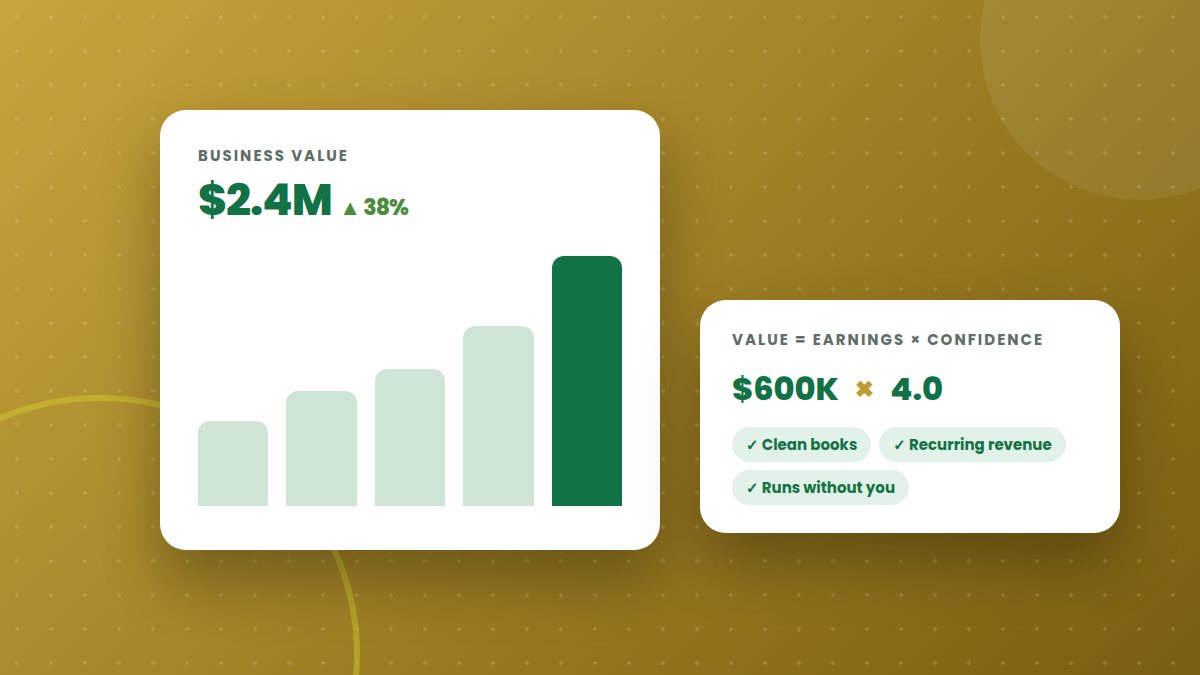
Most small businesses are valued as a multiple of their earnings — often seller’s discretionary earnings (SDE) for smaller companies or EBITDA for larger ones. The multiple depends on how risky the buyer thinks your earnings are. Two businesses with the same profit can sell for very different prices because one looks predictable and the other looks fragile.
What raises your multiple
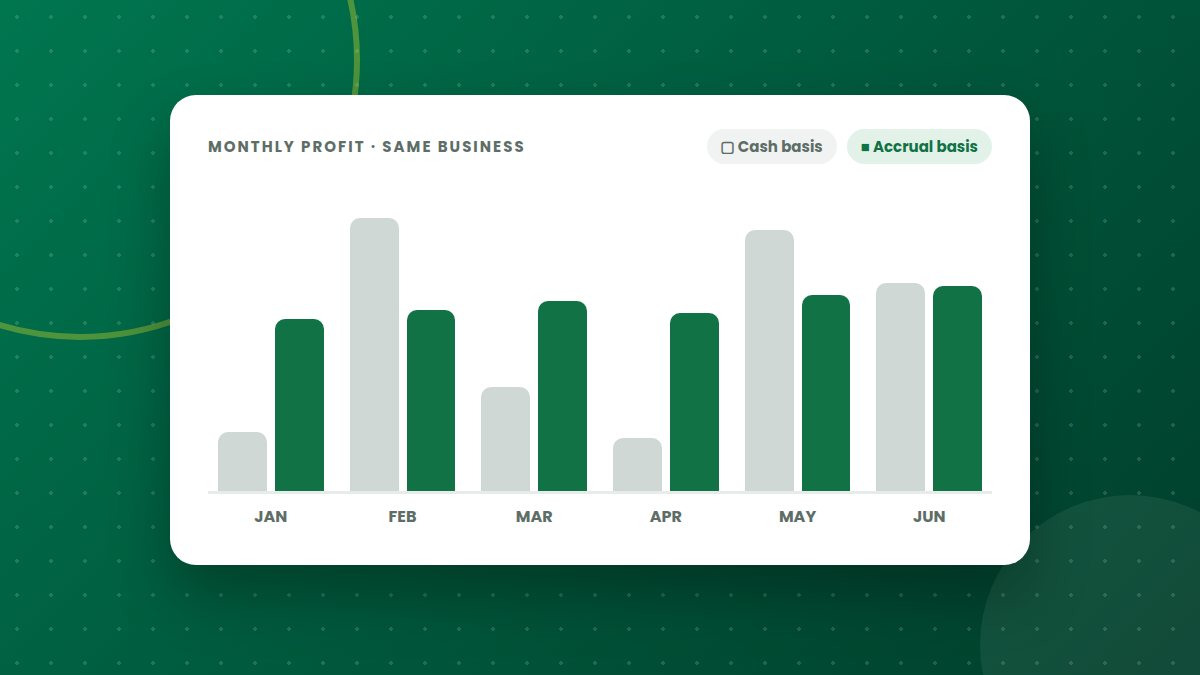
Clean, accurate books. Accrual-based financial statements, reconciled monthly, are the first thing a buyer or lender asks for. Messy books lower offers — or kill deals.
Recurring revenue. Contracts, subscriptions and repeat customers are worth more than one-time sales.
No single customer dependence. If one client is more than 15–20% of revenue, buyers see risk.
A business that runs without you. Documented processes and a team that can make decisions are worth real money.
Growth you can explain. A steady trend with clear reasons is more valuable than a single great year.
Clear ownership of assets. Contracts, leases, trademarks and licenses in the company’s name — and transferable.
What lowers it
Personal expenses mixed into the business, which make true profit hard to prove.
Unfiled or late tax returns and sales tax problems.
Key relationships that live only in the owner’s head or phone.
Deferred maintenance on equipment or property.
Build the business a buyer would want to own — even if you never sell it.
A three-year plan
Year one: get the books clean and on accrual, separate personal expenses, and know your real profit every month.
Year two: build recurring revenue, diversify customers, and document how the business runs.
Year three: get a professional valuation, fix what it flags, and plan the tax side of a sale — the structure of a deal can change what you keep as much as the price.
Our CFO Subscription gives you monthly reports, KPI analysis and the financial statements buyers and lenders expect. And if you’re thinking about an exit, join us at our It’s Time to Sell event.
This article is general information, not tax, legal or investment advice. Every business is different — talk with your Zentavos CPA before making decisions.
NEXT ARTICLE
Loans Can Kill Your Business